The Amazing World of Mealworms - 3rd Informational
Help third graders practice key informational reading skills with a high-interest nonfiction passage about mealworms, metamorphosis, and building a simple mealworm farm. This print-ready 10-question multiple-choice assessment targets vocabulary in context, text features (headings), and evidence-based comprehension. Students answer questions on the mealworm life cycle (egg, larva, pupa, adult), how to care for a mealworm habitat (food, moisture, frass/cleaning, temperature), and author’s purpose. Includes a complete answer key plus clear StandardSet branding for easy classroom use and teacher planning.
The Amazing World of Mealworms (3rd Informational)
by Unknown
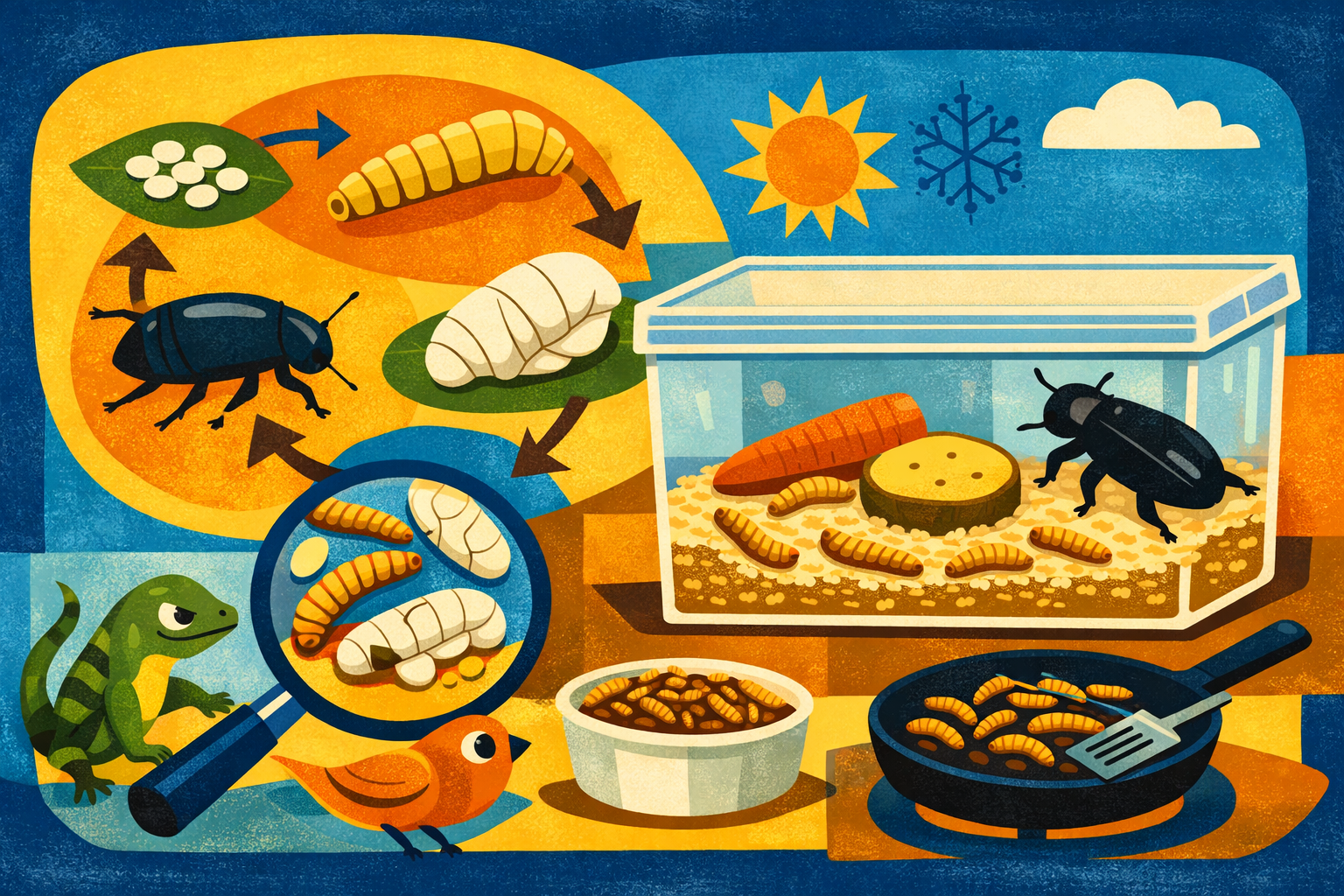
Have you ever seen a mealworm? You might think they are worms because of their name, but here is a surprise: mealworms aren't worms at all! They are actually the larvae (baby stage) of a creepy-crawly insect called the Darkling Beetle.
Growing mealworms is a fun science project. It lets you watch an insect change its shape and grow right before your eyes. This amazing change is called metamorphosis.
The Four Stages of Life
Just like butterflies, mealworms go through four big changes in their life.
Egg: It all starts with a tiny white bean-shaped egg. They are so small, they are hard to see!
Larva (Mealworm): A tiny mealworm hatches from the egg. This is the stage you usually buy at the pet store. They love to eat and grow. As they get bigger, they shed their skin (molt) many times.
Pupa: When the mealworm is done growing, it turns into a white, alien-looking sleeping bag called a pupa. It doesn't eat or move much during this time. Inside, its body is changing completely.
Adult (Darkling Beetle): Finally, a beetle comes out of the pupa! At first, it is white and soft, but soon it turns black and hard. The beetle lays new eggs, and the cycle starts all over again.
How to Build a Mealworm Farm
You can make a happy home for mealworms with things you probably have at home.
What You Need:
- A plastic container (like a shoe box or food tub)
- Oatmeal or wheat bran (this is their bedding and their food!)
- A slice of potato, apple, or carrot
- Mealworms (you can get these at a pet store)
Steps:
Add Bedding: Pour about 2 inches of oatmeal into your container.
Add Moisture: Place the slice of potato or carrot on top of the oats. This gives the mealworms water to drink.
Add Mealworms: Gently put your mealworms into the container.
Air Holes: Poke small holes in the lid so they can breathe, or leave the lid off if the sides are slippery (mealworms can't climb slippery walls!).
Taking Care of Your Mealworms
Mealworms are easy pets, but they still need care.
Change the Food: Every few days, check the potato or carrot. If it looks dry or moldy, throw it away and put in a fresh piece.
Keep it Clean: After a while, you might see a dusty sand at the bottom. This is called frass (mealworm poop!). You can sift it out using a strainer to keep their home clean.
Temperature: Keep them in a warm room. If it gets too cold, they will stop growing. If you put them in the refrigerator, they will go to sleep (hibernate)!
Why Do We Grow Them?
People grow mealworms for many reasons. Some people use them to feed pets like lizards, birds, or hedgehogs. Others grow them to learn about science and insect life cycles. Believe it or not, in some parts of the world, people even cook and eat mealworms as a healthy snack!
Questions
Why do you change the potato or carrot every few days?
to help the mealworms climb out of the box at night
to give them a new fresh piece to eat and drink
to make the oatmeal stay dry and clean in the box
to help the beetles lay more eggs in the oatmeal
Standard: RI.3.1
Question
What is the main idea of this passage about mealworms?
how mealworms grow and how people care for and use them
how mealworms taste when people cook and eat them as a snack
how mealworms sleep in the refrigerator when they hibernate
how mealworms only live as pets for lizards and birds
Standard: RI.3.2
Read these lines from paragraphs 15 and 16:
"Change the Food" and "Keep it Clean"
How do "Change the Food" and "Keep it Clean" both help the mealworms?
They both give mealworms water to drink and food to eat each day.
They both tell how to build the mealworm farm with oats and food.
They both help the mealworms sleep so they can change and grow.
They both help take care of the mealworms and keep their home clean.
Standard: RI.3.3
Read this sentence from paragraph 2:
"This amazing change is called metamorphosis."
What does the word "metamorphosis" mean in this sentence?
a kind of food for small bugs
a big change in how a bug looks
a safe place where bugs can sleep
a name for a baby dark bug
Standard: RI.3.4
Which heading tells how to make a mealworm farm?
The Four Stages of Life
How to Build a Mealworm Farm
Taking Care of Your Mealworms
Why Do We Grow Them?
Standard: RI.3.5
How do the details about mealworms show why the author wrote this text?
They make you want to feed mealworms to pets and eat them as snacks.
They help you learn how mealworms grow, change, and how to care for them.
They tell you to keep mealworms in the cold and put them to sleep.
They ask you to buy a plastic box and other things from the store.
Standard: RI.3.6
Read this sentence from paragraph 2:
"This amazing change is called metamorphosis."
What does the word metamorphosis mean?
a big change in how an insect looks and grows
a tiny egg that an insect lays on a leaf
a safe home where an insect lives and sleeps
a special food that an insect likes to eat
Standard: L.3.4
Read this sentence from paragraph 6:
Pupa: When the mealworm is done growing, it turns into a white, alien-looking sleeping bag called a pupa.
What does the author mean by the phrase "alien-looking sleeping bag"?
It means the pupa is a real bag for sleeping.
It means the pupa makes the insect feel happy.
It means the pupa makes the insect feel scared.
It means the pupa looks like a strange closed bag.
Standard: L.3.5
Read this sentence from paragraph 7:
"Finally, a beetle comes out of the pupa!"
Why does the author use the word "Finally" in this sentence?
It tells where the beetle comes out.
It tells that a beetle comes out.
It tells how the beetle looks at first.
It tells this part happens at the end.
Standard: L.3.6
What do mealworms do when it is very cold?
They stop growing.
They eat more food.
They lay many eggs.
They fly away fast.
Standard: RI.3.1
Generated by StandardSet
standardset.app